
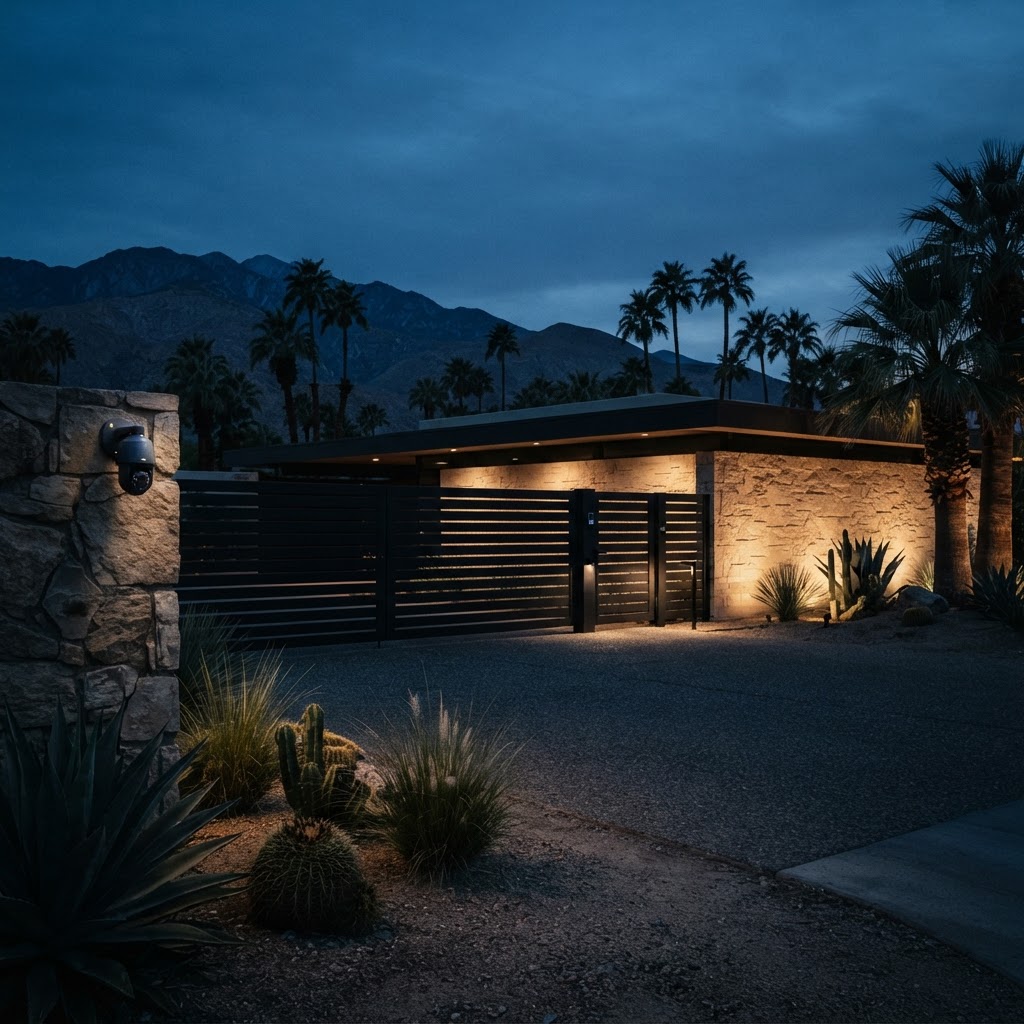
The Evolving Landscape of Desert Community Security
For residents and homeowners associations (HOAs) across the Coachella Valley, the gated community remains a hallmark of desert living. While these enclaves offer a sense of seclusion and privacy, the reality of modern security is that a gate alone is no longer a sufficient deterrent. As we navigate the mid-year point of 2026, security professionals are observing that the most effective protective strategies are those that shift from reactive measures to proactive, layered defense systems. Whether in Palm Springs, Indian Wells, or La Quinta, the goal is to create a seamless environment where security is felt but not intrusive.
Identifying the Weak Points
Security vulnerabilities in gated communities often begin with small, overlooked lapses in daily operations. A common issue is 'tailgating,' where unauthorized vehicles follow residents through an open gate, or the inconsistent verification of vendors and guests. When gate attendants are overwhelmed by high traffic volumes, or when access protocols are not strictly enforced, the integrity of the entire perimeter is compromised. Furthermore, aging infrastructure—such as failing gate arms, outdated lighting, or non-functional surveillance cameras—can create blind spots that opportunistic individuals may exploit. A robust security posture requires regular, formal vulnerability assessments to identify these gaps before they become incidents.
Implementing a Layered Defense Strategy
To truly protect a community, HOAs must adopt a multi-faceted approach. This begins with modernizing access control. Today’s technology allows for smart license plate recognition (LPR) systems that cross-reference entries with authorized databases, providing real-time alerts for unauthorized vehicles. When paired with virtual gate guard services, communities can maintain 24/7 monitoring without the logistical challenges of staffing physical guardhouses at every entry point.
Beyond the gate, physical barriers and environmental design play a critical role. This includes ensuring that all common areas, pools, and clubhouses are equipped with high-quality locks and that exterior lighting is inspected monthly. In the Coachella Valley, where aesthetic standards are paramount, homeowners are increasingly turning to high-strength, HOA-approved security screens and doors that provide physical reinforcement without detracting from the neighborhood's curb appeal. These proactive physical barriers are proving to be a more effective deterrent than relying solely on alarm systems that only trigger after a breach has occurred.
The Importance of Policy and Resident Engagement
Technology is only as effective as the policies governing it. Every HOA should maintain a clear, written security policy that covers incident response, visitor management, and the regular updating of access credentials. It is equally important to educate residents on their role in community safety. When residents understand how to report suspicious activity and why specific access protocols are in place, they become an active part of the security solution rather than a passive observer. Transparency from the board regarding security investments—treating them as essential capital expenditures rather than just operating costs—ensures that systems remain current and reliable.
Partnering for Professional Protection
Security in the Coachella Valley requires a nuanced understanding of both the local environment and the specific needs of high-end residential estates. At The Detail Protective Services, we specialize in providing concierge-level security, intelligence, and consulting tailored to the unique requirements of our desert communities. Whether you are looking to conduct a comprehensive risk assessment or require professional protective services to enhance your community's safety, our team is ready to assist. Contact The Detail Protective Services today to discuss how we can help secure your community with the professionalism and discretion you deserve.